
Misoprostol
Arthrotec, Cytotec (misoprostol) is a small molecule pharmaceutical. Misoprostol was first approved as Cytotec on 1988-12-27. The pharmaceutical is active against prostaglandin E2 receptor EP3 subtype. In addition, it is known to target prostaglandin E2 receptor EP2 subtype and prostaglandin E2 receptor EP4 subtype.
Download report
Favorite
Commercial
Therapeutic Areas
No data
Trade Name
FDA
EMA
Cytotec (generic drugs available since 2002-07-10)
CombinationsArthrotec (generic drugs available since 2002-07-10)
Drug Products
FDA
EMA
New Drug Application (NDA)
New Drug Application (NDA)
Abbreviated New Drug Application (ANDA)
Abbreviated New Drug Application (ANDA)
Indications
FDA
EMA
No data
Agency Specific
FDA
EMA
No data
Patent Expiration
No data
ATC Codes
A: Alimentary tract and metabolism drugs
— A02: Drugs for acid related disorders
— A02B: Drugs for peptic ulcer and gastro-oesophageal reflux disease (gord)
— A02BB: Prostaglandin drugs for peptic ulcer and gastro-oesophageal reflux disease (gord)
— A02BB01: Misoprostol
G: Genito urinary system and sex hormones
— G02: Other gynecologicals in atc
— G02A: Uterotonics
— G02AD: Prostaglandins, oxytocics
— G02AD06: Misoprostol
M: Musculo-skeletal system drugs
— M01: Antiinflammatory and antirheumatic products
— M01A: Antiinflammatory and antirheumatic products, non-steroids
— M01AE: Propionic acid derivatives, antiinflammatory and antirheumatic products
— M01AE56: Naproxen and misoprostol
HCPCS
Code | Description |
|---|---|
| S0191 | Misoprostol, oral, 200 mcg |
Clinical
Clinical Trials
94 clinical trials
View more details
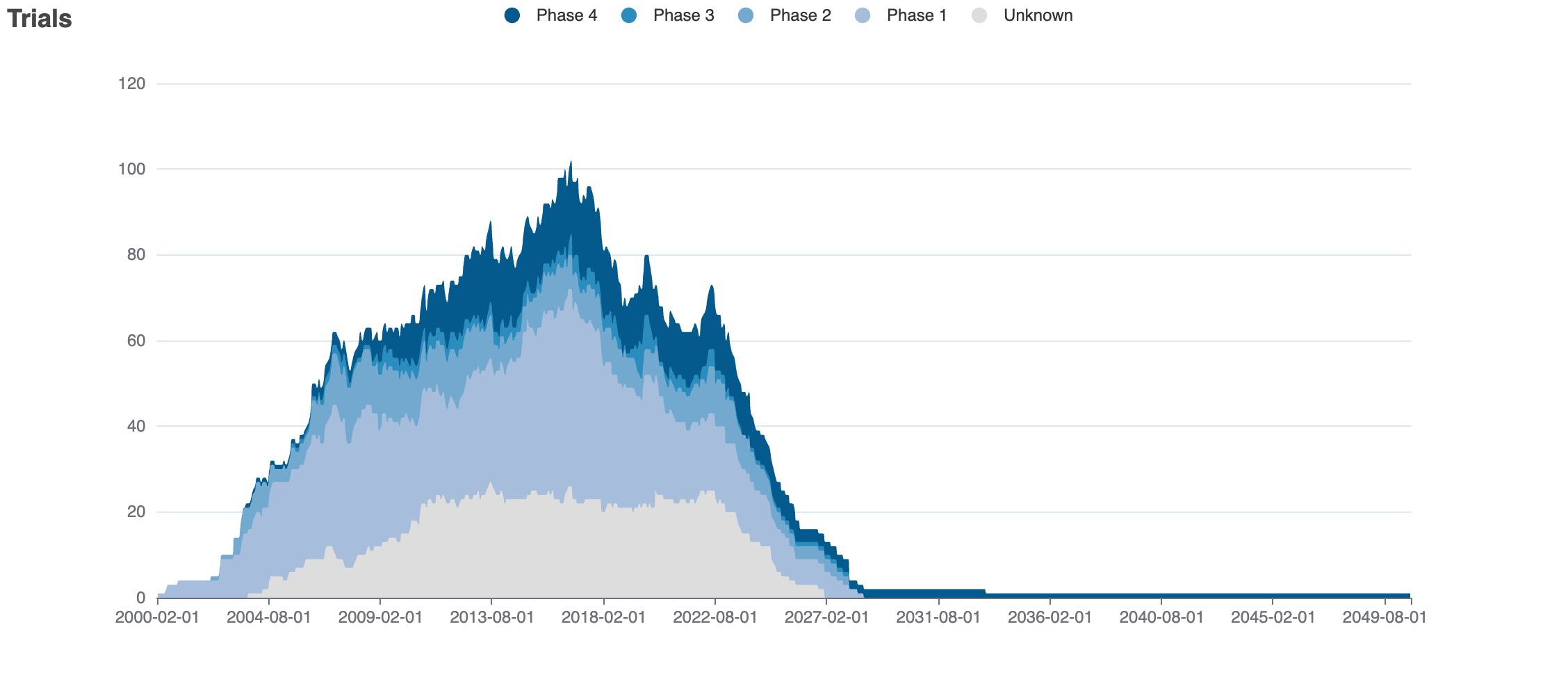
Mock data
Subscribe for the real data
Subscribe for the real data
Indications Phases 4
Indication | MeSH | Ontology | ICD-10 | Ph 1 | Ph 2 | Ph 3 | Ph 4 | Other | Total |
|---|---|---|---|---|---|---|---|---|---|
| Depression | D003863 | F33.9 | — | 5 | 2 | 2 | 3 | 11 | |
| Major depressive disorder | D003865 | EFO_0003761 | F22 | 1 | 2 | — | 7 | — | 10 |
| Mental disorders | D001523 | EFO_0000677 | F91.9 | 1 | — | 4 | 1 | — | 6 |
| Post-traumatic stress disorders | D013313 | EFO_0001358 | F43.1 | — | — | — | 2 | 1 | 3 |
| Pancreatic neoplasms | D010190 | EFO_0003860 | C25 | — | 1 | 1 | 1 | — | 2 |
| Shivering | D012768 | — | — | — | 2 | — | 2 | ||
| Schizophrenia | D012559 | EFO_0000692 | F20 | — | — | 1 | 1 | — | 2 |
| Depressive disorder | D003866 | EFO_1002014 | F32.A | — | — | — | 2 | — | 2 |
| Bipolar disorder | D001714 | EFO_0000289 | F30.9 | — | — | — | 1 | 1 | 2 |
| Mood disorders | D019964 | EFO_0004247 | F30-F39 | — | — | — | 1 | 1 | 2 |
Show 5 more
Indications Phases 3
Indication | MeSH | Ontology | ICD-10 | Ph 1 | Ph 2 | Ph 3 | Ph 4 | Other | Total |
|---|---|---|---|---|---|---|---|---|---|
| Sleep initiation and maintenance disorders | D007319 | F51.01 | 2 | 1 | 7 | — | 1 | 11 | |
| Neoplasms | D009369 | C80 | 1 | 3 | 2 | — | — | 5 | |
| Anorexia | D000855 | HP_0002039 | R63.0 | — | 3 | 1 | — | 1 | 5 |
| Sleep wake disorders | D012893 | G47 | — | — | 5 | — | — | 5 | |
| Dyssomnias | D020920 | — | — | 4 | — | — | 4 | ||
| Amphetamine-related disorders | D019969 | EFO_0004701 | F15 | — | 1 | 1 | — | 1 | 3 |
| Dementia | D003704 | F03 | — | — | 2 | — | 1 | 3 | |
| Intrinsic sleep disorders | D020919 | F51.03 | — | — | 3 | — | — | 3 | |
| Treatment-resistant depressive disorder | D061218 | — | — | 1 | — | 1 | 2 | ||
| Alzheimer disease | D000544 | EFO_0000249 | F03 | — | — | 1 | — | 1 | 2 |
Show 10 more
Indications Phases 2
Indication | MeSH | Ontology | ICD-10 | Ph 1 | Ph 2 | Ph 3 | Ph 4 | Other | Total |
|---|---|---|---|---|---|---|---|---|---|
| Alcoholism | D000437 | EFO_0003829 | F10.1 | — | 4 | — | — | — | 4 |
| Vomiting | D014839 | HP_0002013 | R11.1 | 2 | 2 | — | — | — | 3 |
| Substance-related disorders | D019966 | EFO_0003890 | F13 | — | 2 | — | — | 1 | 3 |
| Cocaine-related disorders | D019970 | F14 | 1 | 3 | — | — | — | 3 | |
| Pregnancy | D011247 | EFO_0002950 | Z33.1 | 1 | 1 | — | — | 1 | 2 |
| Non-small-cell lung carcinoma | D002289 | — | 1 | — | — | 1 | 2 | ||
| Hyperemesis gravidarum | D006939 | EFO_1000971 | O21 | 1 | 2 | — | — | — | 2 |
| Weight loss | D015431 | HP_0001824 | — | 1 | — | — | 1 | 2 | |
| Glioma | D005910 | EFO_0000520 | — | 1 | — | — | — | 1 | |
| Spinal cord injuries | D013119 | EFO_1001919 | — | 1 | — | — | — | 1 |
Show 4 more
Indications Phases 1
Indication | MeSH | Ontology | ICD-10 | Ph 1 | Ph 2 | Ph 3 | Ph 4 | Other | Total |
|---|---|---|---|---|---|---|---|---|---|
| Healthy volunteers/patients | — | 6 | — | — | — | — | 6 | ||
| Cardiovascular abnormalities | D018376 | EFO_0003848 | 1 | — | — | — | — | 1 | |
| Drug interactions | D004347 | 1 | — | — | — | — | 1 | ||
| Obstructive sleep apnea | D020181 | EFO_0003918 | G47.33 | 1 | — | — | — | — | 1 |
Indications Without Phase
Indication | MeSH | Ontology | ICD-10 | Ph 1 | Ph 2 | Ph 3 | Ph 4 | Other | Total |
|---|---|---|---|---|---|---|---|---|---|
| Pharmacokinetics | D010599 | — | — | — | — | 1 | 1 | ||
| Wounds and injuries | D014947 | T14.8 | — | — | — | — | 1 | 1 | |
| Pain | D010146 | EFO_0003843 | R52 | — | — | — | — | 1 | 1 |
| Chronic disease | D002908 | — | — | — | — | 1 | 1 | ||
| Brain injuries | D001930 | S06.9 | — | — | — | — | 1 | 1 | |
| Alcohol-related disorders | D019973 | F10 | — | — | — | — | 1 | 1 | |
| Cognitive dysfunction | D060825 | G31.84 | — | — | — | — | 1 | 1 | |
| Suicidal ideation | D059020 | EFO_0004320 | R45.851 | — | — | — | — | 1 | 1 |
Epidemiology
Epidemiological information for investigational and approved indications
View more details
Drug
General
| Drug common name | MISOPROSTOL |
| INN | misoprostol |
| Description | 7-[(1R,2R,3R)-3-hydroxy-2-(4-hydroxy-4-methyloct-1-enyl)-5-oxocyclopentyl]heptanoic acid methyl ester is a prostanoid. |
| Classification | Small molecule |
| Drug class | prostaglandins |
| Image (chem structure or protein) | |
| Structure (InChI/SMILES or Protein Sequence) | CCCCC(C)(O)C/C=C/[C@H]1[C@H](O)CC(=O)[C@@H]1CCCCCCC(=O)OC |
Identifiers
| PDB | — |
| CAS-ID | 103601-27-0 |
| RxCUI | — |
| ChEMBL ID | CHEMBL606 |
| ChEBI ID | — |
| PubChem CID | 5282381 |
| DrugBank | DB00929 |
| UNII ID | 0E43V0BB57 (ChemIDplus, GSRS) |
Target
Agency Approved
PTGER3
PTGER3
Organism
Homo sapiens
Gene name
PTGER3
Gene synonyms
NCBI Gene ID
Protein name
prostaglandin E2 receptor EP3 subtype
Protein synonyms
PGE receptor, EP3 subtype, PGE2 receptor EP3 subtype, PGE2-R, prostaglandin E receptor 3 (subtype EP3), prostaglandin receptor (PGE-2), Prostanoid EP3 receptor
Uniprot ID
Mouse ortholog
Ptger3 (19218)
prostaglandin E2 receptor EP3 subtype (P30557)
Alternate
PTGER2
PTGER2
PTGER4
PTGER4
Organism
Homo sapiens
Gene name
PTGER2
Gene synonyms
NCBI Gene ID
Protein name
prostaglandin E2 receptor EP2 subtype
Protein synonyms
PGE receptor EP2 subtype, PGE2 receptor EP2 subtype, prostaglandin E receptor 2 (subtype EP2), 53kD, prostaglandin E receptor 2 (subtype EP2), 53kDa, Prostanoid EP2 receptor
Uniprot ID
Mouse ortholog
Ptger2 (19217)
prostaglandin E2 receptor EP2 subtype (Q62053)
Variants
Clinical Variant
No data
Financial
Arthrotec - Pfizer
$
€
£
₣
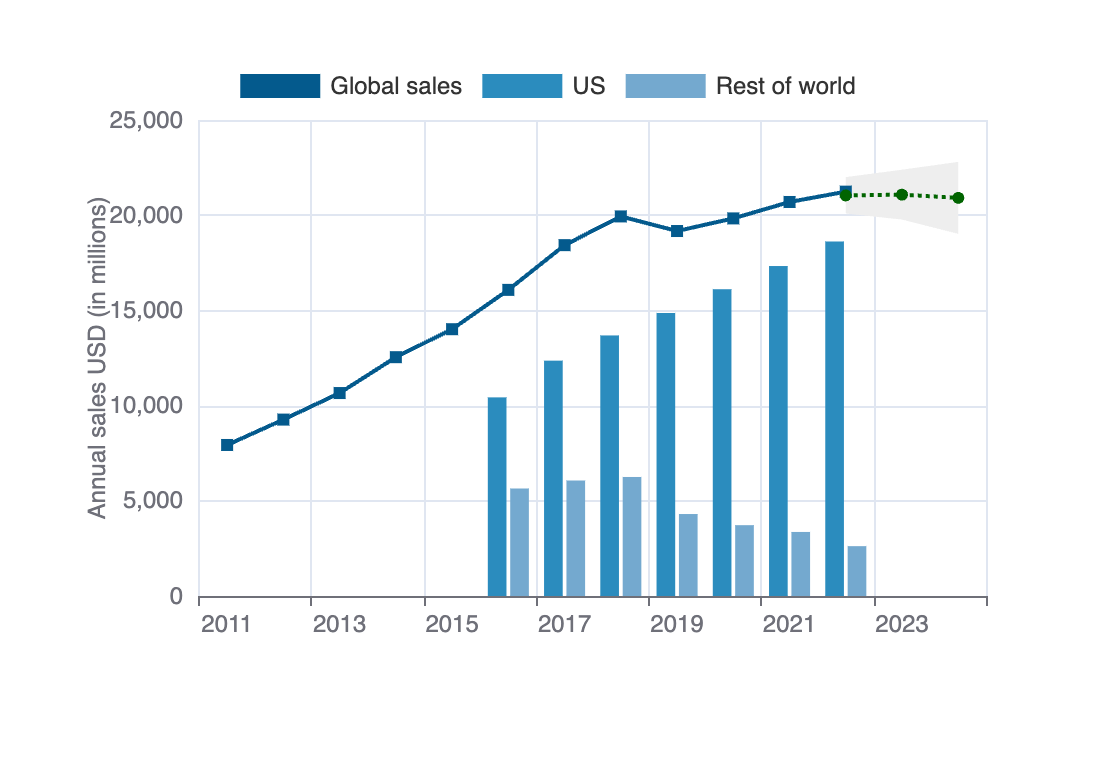
Mock data
Subscribe for the real data
Subscribe for the real data
Mock data
Subscribe for the real data
Subscribe for the real data
Tabular view
Trends
PubMed Central
Top Terms for Disease or Syndrome:
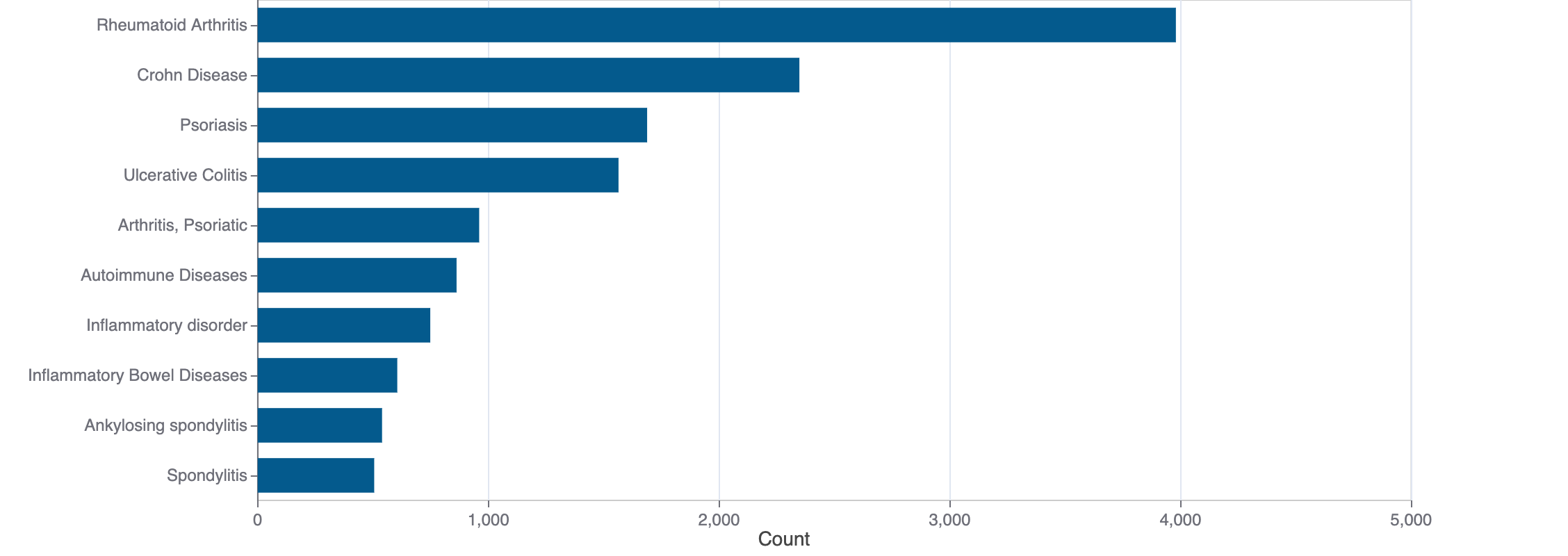
Mock data
Subscribe for the real data
Subscribe for the real data
Additional graphs summarizing 6,729 documents
View more details
Safety
Black-box Warning
Black-box warning for: Arthrotec, Cytotec, Mpm pak
Adverse Events
Top Adverse Reactions
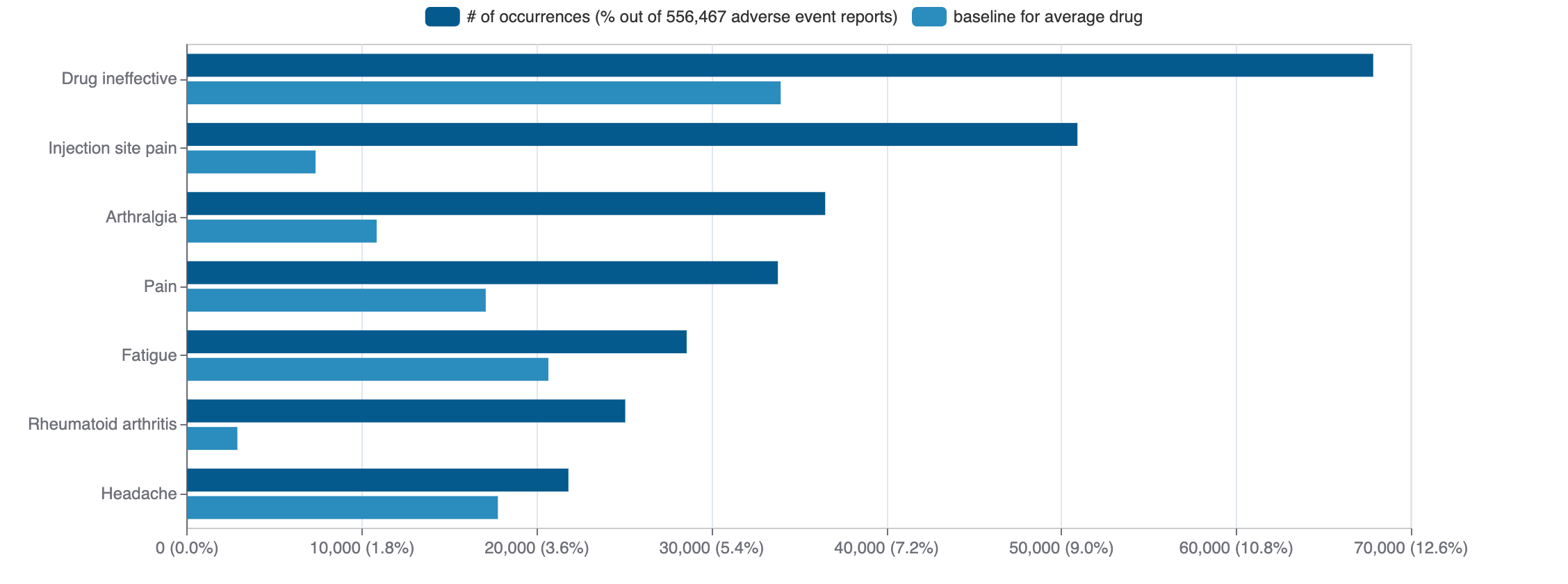
Mock data
Subscribe for the real data
Subscribe for the real data
30,185 adverse events reported
View more details
Premium feature
Learn more about premium features at pharmakb.com
Learn more